
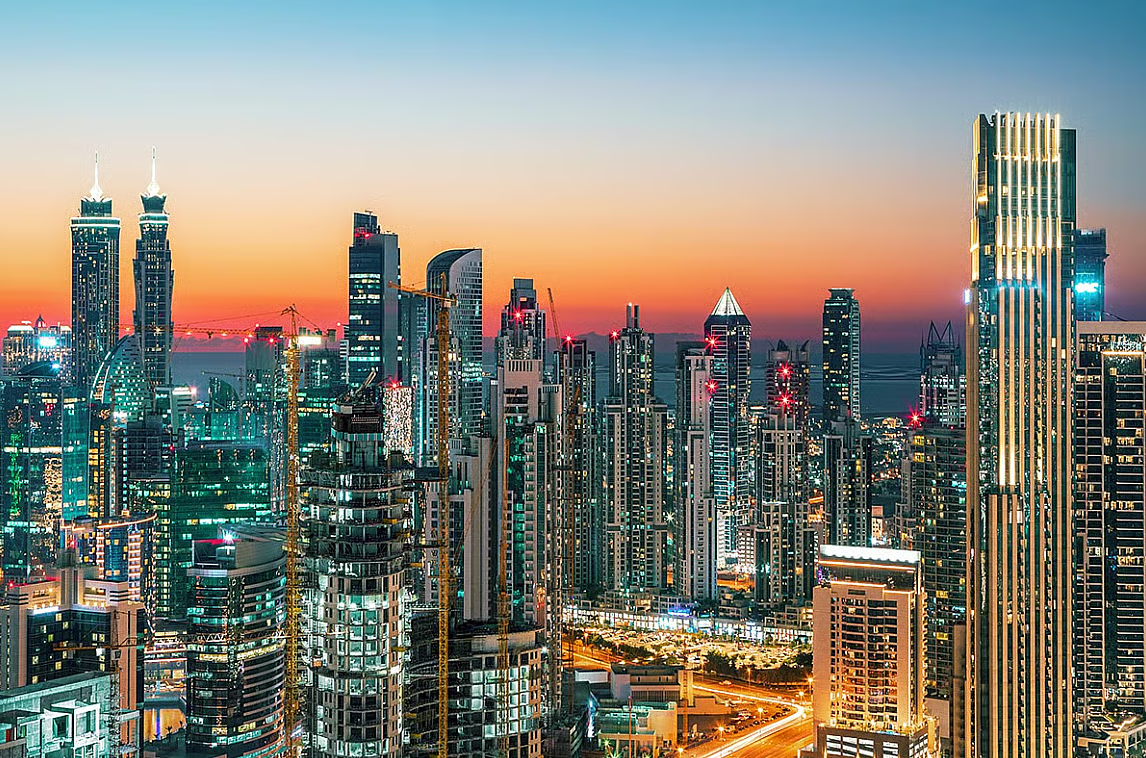
Dubai’s residential rental market is projected to witness rental growth of up to 6% in 2026, underpinned by sustained population expansion, strong expatriate inflows, and continued global investor confidence in the emirate’s real estate sector. While rental appreciation is expected to moderate compared to the sharp surges of recent years, market fundamentals remain robust—particularly in supply-constrained, high-demand communities.
As Dubai’s population surpassed four million residents in 2025, rental demand continues to outpace supply in premium locations, reinforcing the city’s status as a stable, yield-driven global property market.
Supply Dynamics: A Shift Toward Market Maturity
Dubai’s rental sector is transitioning into a more mature and balanced phase, supported by a growing residential pipeline. Nearly 200,000 residential units are expected to be delivered by 2027, with villas and townhouses forming a significant portion of future supply through 2030.
This increase in inventory is creating selective pressure in certain sub-markets, encouraging:
- Competitive pricing strategies among landlords
- Greater lease flexibility, including multiple-cheque and digital payment options
- Value-added incentives in older properties to compete with newer developments
For investors, this evolution signals a healthier, more sustainable rental ecosystem aligned with global real estate standards.
High-Growth Rental Zones: Where Investors Should Focus
Despite the expanding supply, rental growth will remain strongest in structurally limited segments, particularly:
- Villas and townhouses
- Large two- and three-bedroom apartments
- Waterfront and master-planned communities
Established and prime locations expected to outperform include:
- Downtown Dubai
- Palm Jumeirah
- Dubai Marina
- Dubai Hills Estate
- Arabian Ranches
- Business Bay
These areas benefit from proximity to employment hubs, lifestyle amenities, transport infrastructure, and top-tier schools—key drivers of long-term tenant demand and capital preservation.
Investor Outlook: Yield Stability and Long-Term Value
Dubai’s rental demand will continue to be fueled by a steady influx of professionals, entrepreneurs, and high-net-worth individuals, many of whom initially enter the market as tenants. This trend supports consistent rental absorption, particularly in family-oriented and lifestyle-led communities.
While areas with heavy new handovers may experience short-term pricing adjustments, premium assets in well-established locations are expected to deliver:
- Stable rental yields
- Low vacancy risk
- Strong long-term capital appreciation
RevaaOne Insight
For property investors, the 2026 outlook reinforces Dubai’s position as a low-tax, high-demand real estate destination offering predictable income streams and global diversification. Strategic asset selection—focused on location quality, community maturity, and tenant profile—will be key to maximizing returns in the coming cycle.
At RevaaOne, we continue to advise investors on identifying high-performing rental assets aligned with Dubai’s evolving market dynamics.
Source Khaleej Times – “Dubai rents set to rise by up to 6% in 2026 amid growing population”
By Waheed Abbas, Published 29 December 2025.